
Building an extension can add valuable space, improve day-to-day living and increase property value. However, homeowners in London often find that extension projects fall foul of regulations, leading to delays, extra costs and, in some cases, legal action. With complex planning rules, stricter oversight from local authorities and additional considerations for conservation areas and period properties, London presents unique challenges for residential building work.
Drawing on professional experience, this article explains the most common reasons building extensions fall foul of regulations in London and how careful planning and expert guidance can help homeowners avoid costly mistakes.
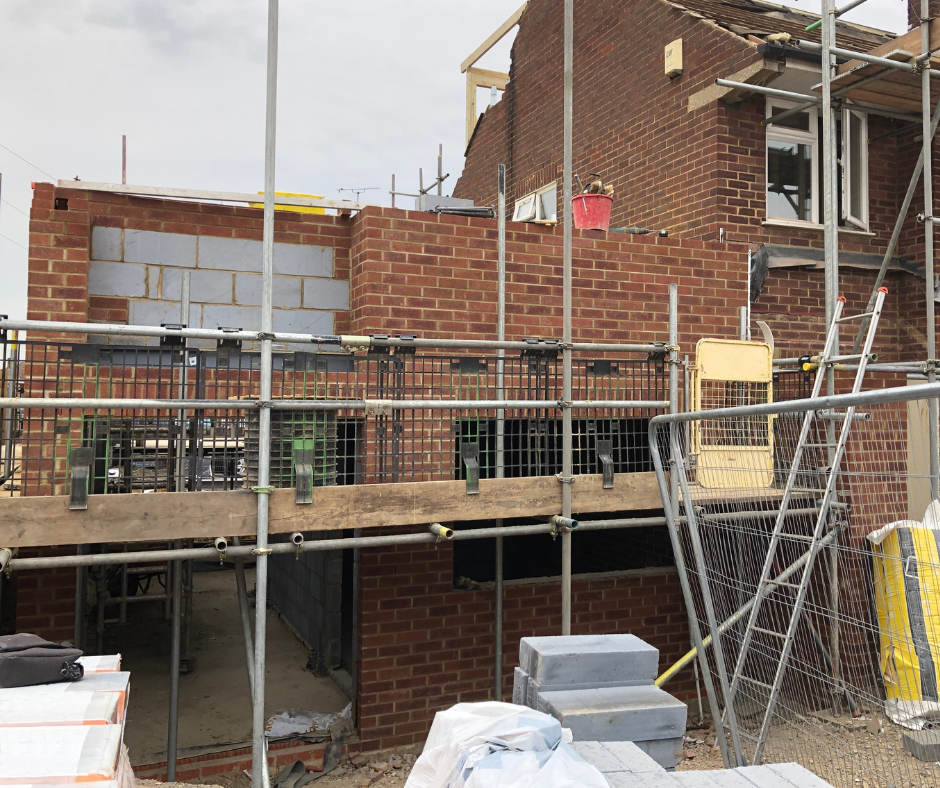
One of the most frequent extension mistakes is assuming that permitted development rights apply automatically. While some extensions can be built without a full planning application, many London properties are subject to tighter planning requirements.
Permitted development rules are often restricted in London boroughs due to density, neighbouring properties and land constraints. Height restrictions, floor area limits and proximity to boundaries are closely scrutinised. In conservation areas and for listed buildings, permitted development rights may not apply at all, meaning planning permission is required before any building work begins.
Homeowners who start building without confirming permission risk enforcement action from the council and significant additional costs to amend or remove the extension.
Even where planning permission is granted, building regulations still apply. These regulations exist to ensure safety, structural integrity and suitability for residential buildings. Common compliance failures include inadequate fire safety measures, poor ventilation, insufficient washing facilities and issues with structural support.
Building control approval is required at various stages of the project, from foundations through to completion. When an extension project does not comply with building regulations, homeowners may be forced to carry out remedial construction work or face delays in sign-off, which can affect existing home insurance policies and future property sales.
Another common reason extensions fall foul of regulations is the impact on natural light to neighbouring properties. London planning rules place strong emphasis on protecting light, outlook and privacy, particularly where homes are built close together.
Extensions that block light to an existing room in a neighbouring property or create an overbearing presence are often classed as inappropriate development. Local authorities assess such cases carefully using planning guidance, case law and established principles such as the right to light. Failure to address these concerns at the design process stage can result in planning refusal or objections that delay the project.
Design quality matters, especially in London. Extensions that fail to respect the character of the original house or surrounding properties are more likely to be rejected. This is particularly relevant for period properties, where matching materials, proportions and detailing is essential.
Using unsuitable materials or ignoring the architectural context can undermine a planning application. Councils expect new extensions to complement the existing house rather than dominate it. Poor design decisions often lead to extra costs later when changes are required to achieve compliance.
Clear boundaries are critical when planning an extension. Building too close to a boundary or beyond the legal site line can trigger disputes with neighbours and intervention from the council. In some cases, boundary issues escalate into legal action, particularly where access rights or shared land are involved.
Such cases are often referenced in planning decisions and reported in the Sunday Times and other publications, highlighting the risks of proceeding without accurate surveys and legal checks.
Planning rules and regulations evolve, and London boroughs often introduce local policies that go beyond national guidance. Homeowners who rely on outdated information risk non-compliance. New rules may affect height, massing, sustainability requirements or construction methods.
Ensuring compliance requires up-to-date knowledge of both national planning policy and borough-specific guidance. This is particularly important for larger extensions or developments that significantly alter the existing property.
Many homeowners underestimate extension costs and the complexity of the process. When issues arise due to non-compliance, additional surveys, revised drawings and construction changes increase the overall cost and delay completion.
A well-planned project considers planning requirements, building regulations, construction sequencing and access from the outset. Skipping this stage often results in avoidable risk and compromised value.
Avoiding regulatory issues starts with careful consideration and professional input. A compliant extension project requires a clear understanding of planning rules, building regulations and local authority expectations before work begins.
Working with experienced designers, builders and building control professionals helps ensure the project complies at every stage, from initial design through to completion. This approach protects homeowners’ investment and reduces the risk of costly mistakes.
Building extensions in London offers significant benefits, but they also carry regulatory complexity that cannot be ignored. Common reasons projects fall foul of regulations include misunderstandings around planning permission, failure to comply with building regulations, poor design decisions and insufficient consideration of neighbouring properties.
For homeowners planning an extension, expert guidance makes the difference between a smooth process and one filled with delays and extra costs. Redline Building provides professional construction expertise, local knowledge and a clear, compliant approach to residential extensions across London. Their experienced team supports clients from design through to completion, ensuring every project meets regulations and delivers lasting value.
This article is intended as general guidance only. Planning requirements and enforcement decisions vary between London boroughs and individual sites. Homeowners should always seek professional advice and confirm requirements with their local council and building control body before starting any building work. Redline Building accepts no liability for changes to regulations or decisions made by third-party authorities.