
Email us at info@redlinebuilding.co.uk or Call on 020 7183 1053
Commercial refurbishment projects can completely transform a workspace, improve efficiency, support business growth and breathe new life into ageing premises. Whether it is an office renovation project, a commercial retrofit or a large-scale commercial construction programme, the benefits can be significant.
However, every refurbishment project comes with its own set of challenges. While the finished result may look seamless, getting there often requires careful planning, specialist skills and proactive problem-solving.
At Redline Building Services, we have delivered a wide range of commercial refurbishment projects across different sectors. We know that even the best-planned project can encounter obstacles along the way. Understanding these challenges from the outset allows building owners, project teams and contractors to make informed decisions and keep work moving forward.
In this guide, we explore what are the biggest challenges in a commercial refurbishment project, why they occur and how experienced professionals can help manage risk while delivering projects successfully.
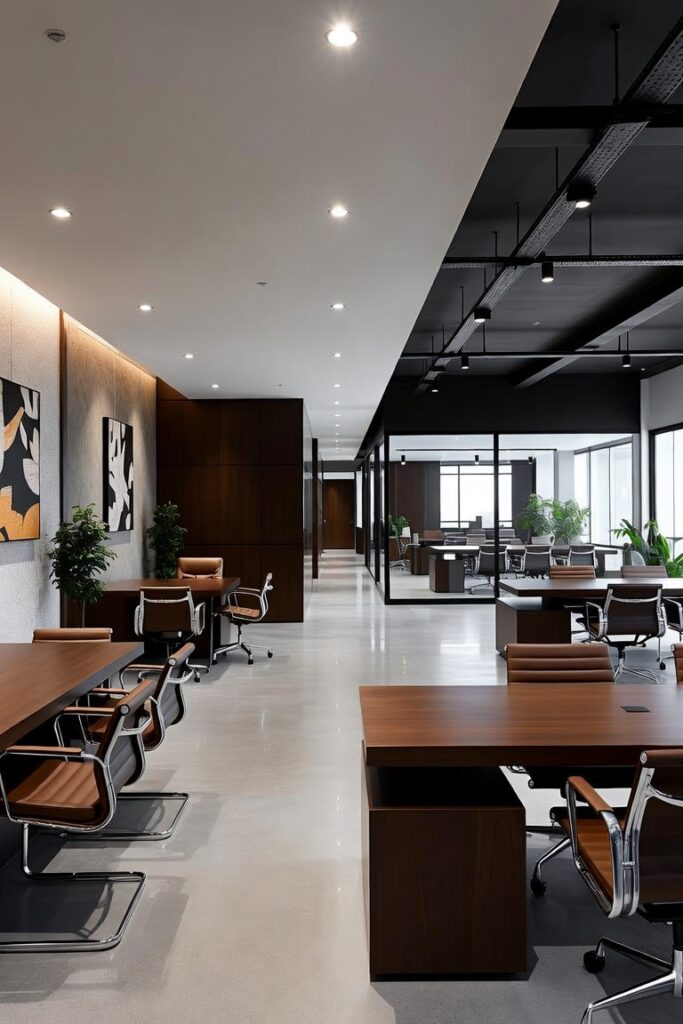
One of the biggest challenges in any commercial refurbishment project starts before work begins.
A poorly defined project scope is one of the most common causes of project delays, budget overruns and frustration among stakeholders. It is easy for businesses to focus on the end result without fully defining exactly what needs to be achieved.
During the planning stage, project teams should establish:
Without a clear scope, design changes often emerge later in the process, leading to additional costs, delays and unnecessary disruption.
At Redline Building Services, we always encourage clients to invest time in planning before construction starts. The clearer the brief, the smoother the project is likely to run.
Budget management remains one of the biggest issues facing commercial refurbishment projects.
Unlike new builds, refurbishment and renovation work often involves existing structures where hidden problems may not become apparent until construction is underway.
Common examples include:
These discoveries can quickly lead to budget overruns if contingency plans have not been put in place.
Effective budget management requires detailed surveys, realistic cost forecasting and a contingency allowance to account for unforeseen circumstances.
A successful refurbishment should be viewed as a long-term investment rather than simply a short-term expense. The right improvements can improve efficiency, reduce maintenance costs and extend the lifespan of a building for many years.
Unlike commercial construction projects that begin on a blank site, refurbishment projects involve working within existing structures.
This creates many challenges that are not typically encountered on new builds.
Contractors may need to work around:
Older buildings can present particular difficulties when integrating new systems and modern technologies.
For example, upgrading HVAC systems, electrical infrastructure or energy-efficient lighting often requires careful coordination to ensure compatibility with the existing building.
This is especially true in commercial retrofit and retrofit projects aimed at improving sustainability and achieving net zero carbon objectives.
Many businesses need to remain operational while refurbishment work takes place.
This is where careful planning becomes absolutely essential.
One of the biggest challenges is balancing construction activity with business continuity. Excessive disruption can impact productivity, customer experience and day-to-day operations.
Common concerns include:
To minimise downtime, refurbishment programmes often need to be phased carefully.
Work can sometimes be scheduled outside normal operating hours or completed in stages to reduce disruption. By working closely with clients, experienced contractors can develop practical solutions that keep businesses functioning while improvements are carried out.
Every commercial refurbishment project operates against strict timelines.
Whether the goal is reopening a retail unit, welcoming staff back into an office or preparing premises for a new tenant, delays can have significant financial consequences.
Project delays can occur for many reasons, including:
One of the most common causes of delays is poor communication between stakeholders.
Clear communication between contractors, consultants, suppliers and clients helps identify potential problems early and allows project teams to take corrective action before issues escalate.
Strong project management remains one of the most effective tools for delivering projects on schedule.
Ensuring compliance is one of the most important aspects of any refurbishment project.
Commercial buildings must often comply with a range of regulatory requirements depending on the nature and scale of the works.
These may include:
In some cases, approval may also be required from local councils, building control bodies or landlords.
Failure to meet compliance obligations can lead to costly delays, enforcement action and additional remedial work.
Commercial retrofit projects in particular often involve upgrades designed to improve energy performance and reduce embodied carbon. These improvements must be carefully designed to ensure compliance with current standards while delivering meaningful sustainability benefits.
Safety should never be treated as an afterthought.
Construction projects naturally involve a range of health and safety risks that must be managed effectively throughout the process.
Potential hazards can include:
The construction industry continues to place strong emphasis on health and safety management, and rightly so.
Comprehensive risk assessments, method statements and safety procedures help protect workers, building occupants and members of the public.
Managing risk effectively not only safeguards people but also helps avoid costly project delays and reputational damage.
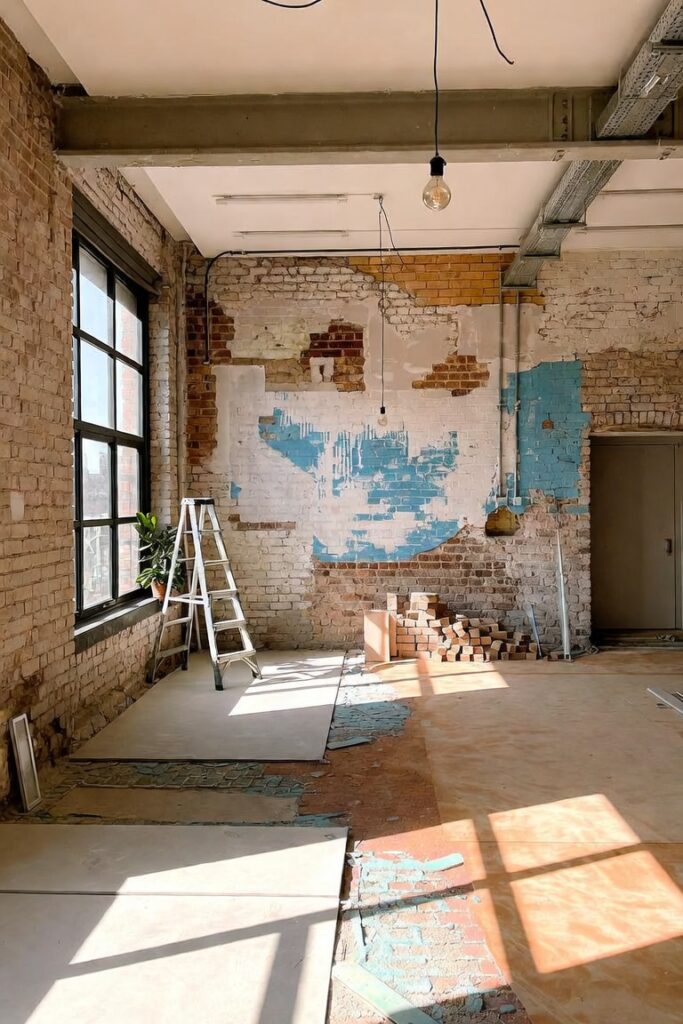
Commercial refurbishment projects often involve multiple trades working simultaneously.
Electricians, plumbers, decorators, mechanical engineers, building services specialists and fit-out teams may all be involved in different stages of the project.
Without strong coordination, even minor scheduling issues can create significant knock-on effects.
Successful projects rely on:
The more complex the project, the more important coordination becomes.
An experienced lead contractor can ensure all moving parts work together efficiently and minimise conflicts between different workstreams.
Sustainability has become a major focus within commercial construction.
Many building owners are now investing in commercial retrofit solutions that improve energy performance while reducing operational costs.
Retrofit planning often focuses on:
These measures contribute towards net zero carbon ambitions while enhancing overall building performance.
However, balancing sustainability goals with budget constraints and operational requirements can be challenging.
A successful retrofit strategy requires careful consideration of whole-life value rather than simply focusing on upfront costs.
At Redline Building Services, we often uncover hidden issues during surveys that can be addressed before construction begins.
Design changes are one of the most common challenges encountered during refurbishment projects.
Sometimes changes are unavoidable. Business requirements evolve, new opportunities emerge or unforeseen issues require alternative solutions.
However, frequent design revisions after work begins can affect:
Every change should be assessed carefully to understand its impact on costs, timelines and quality.
The more decisions that can be finalised during the planning stage, the less risk there is of disruption later.
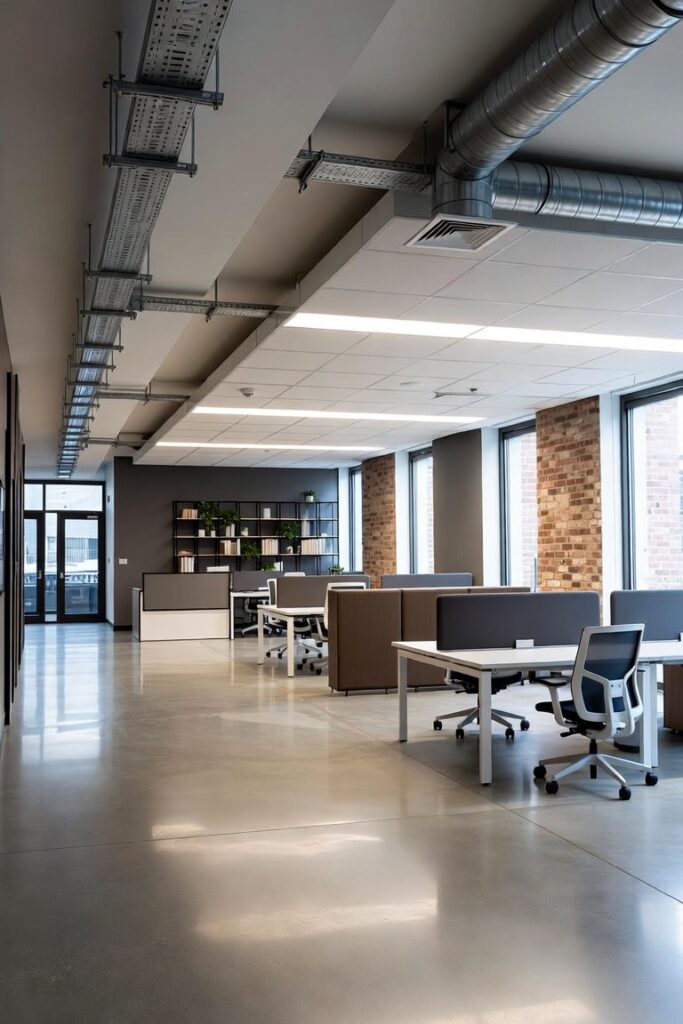
Perhaps the biggest factor in overcoming refurbishment challenges is selecting the right team.
Commercial refurbishment requires specialist skills, technical knowledge and practical experience. Every building presents a unique set of circumstances, and there is rarely a one-size-fits-all solution.
Experienced contractors understand how to:
At Redline Building Services, we work closely with our clients from the earliest planning stages through to project completion. Our focus is on delivering high-quality refurbishment solutions that meet operational requirements while keeping disruption to a minimum.
So, what are the biggest challenges in a commercial refurbishment project?
From defining the project scope and managing budgets to ensuring compliance, coordinating multiple trades and maintaining business continuity, there are many challenges that can impact project success.
The good news is that most common challenges can be overcome with careful planning, clear communication and experienced project management.
Working with experienced refurbishment specialists such as Redline Building Services can significantly reduce risk and improve project outcomes. By identifying risks early and taking a proactive approach, businesses can manage challenges effectively and create spaces that support long-term growth, efficiency and success.
The biggest challenges typically include budget overruns, project delays, compliance with building regulations, managing disruption to business operations and coordinating multiple trades. Effective planning and experienced project management can help minimise these risks.
Businesses can minimise downtime by using phased construction programmes, scheduling disruptive work outside operating hours and developing robust business continuity plans before work begins.
Many commercial refurbishment projects require compliance with building regulations. Depending on the scope of works, approval may also be required from building control, local councils or planning authorities.
A commercial refurbishment generally focuses on improving or modernising a building, while a commercial retrofit often involves upgrading systems and infrastructure to improve energy efficiency, sustainability and building performance.
Refurbishment and retrofit projects can reduce carbon emissions through energy-efficient lighting, improved insulation, upgraded heating and cooling systems, renewable technologies and measures designed to reduce embodied carbon and operational energy use.
This article is intended for general informational purposes only and should not be considered professional construction, legal, planning or regulatory advice. Every commercial refurbishment project is unique, and regulatory requirements may vary depending on the building, location and scope of work. Professional advice should always be obtained before making decisions relating to construction, refurbishment or retrofit projects.