
Email us at info@redlinebuilding.co.uk or Call on 020 7183 1053
If you’re considering an office refurbishment, you’re probably asking yourself one important question: what should be included in an office refurbishment project to ensure it’s worth the investment?
It’s a great question and one we hear regularly.
Many businesses initially focus on aesthetics. They want a more modern office, new furniture, updated meeting rooms, or a refreshed reception area. While these are important elements, a successful office refurbishment is about much more than appearances.
A well-planned office refurbishment project should improve the way your business operates, support employee productivity, enhance company culture, and create an office space that works for your team both now and in the future.
Here at Redline Building Services we have undertaken refurbishments across a wide range of sectors, and one thing we have discovered for sure is that no two workplaces are ever the same. Each firm has various issues, different office refurbishment goals and varied notions of what success looks like.
Whether you are updating existing office space, moving into a new office space or planning a full office fit-out, understanding the whole refurbishment scope at the beginning will help you avoid hidden expenses, reduce inconvenience and achieve superior project results.
In this guide, we’ll walk you through exactly what should be included in an office remodelling project and why it all matters.
Before looking at colours, layouts, or office furniture, it’s important to understand why you’re refurbishing your office in the first place.
Every successful office refurbishment starts with clearly defined business objectives.
Ask yourself:
We’ve worked on exciting projects where clients initially wanted a simple cosmetic refresh, but after reviewing how employees used the office space, it became clear they needed a completely different approach.
Having a deep understanding of your goals will shape every decision that follows.
One of the most ignored aspects of the office refurbishment process is understanding how your office is being used today.
Space audits help identify:
Without this information, it’s easy to invest in changes that don’t solve the real problems.
We often see firms with a lot of space available, but inadequate office space design means they are not able to use it efficiently.
Office space planning is one of the most important stages of any refurbishment project.
A poorly designed office can negatively impact communication, productivity, and employee well-being.
Modern offices need to accommodate a variety of working styles.
This often includes:
The goal is to create a working environment that supports how your team actually works rather than forcing employees into a layout that no longer fits their needs.
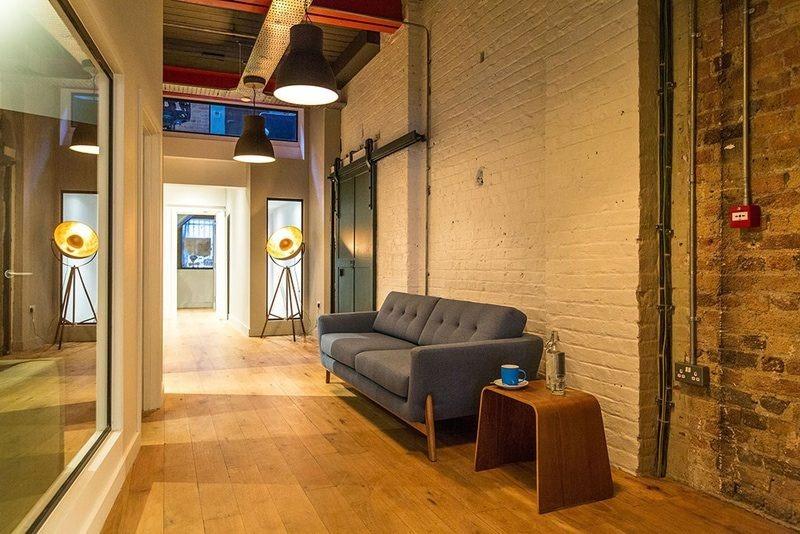
A common mistake is designing an office purely for today’s requirements.
A successful office refurbishment should consider:
Creating flexibility from the beginning can save money and reduce future refurbishment costs.
Your office says a lot about your business.
Clients, suppliers, and potential employees form opinions within seconds of entering a building.
That’s why office design should align closely with your brand identity.
A well designed office should communicate:
We’ve seen businesses transform client perception simply by creating a more welcoming and professional environment.
Features often include:
Furniture installation is often one of the most visible parts of an office refurbishment project.
But, when purchasing office furniture, it’s not just about how it looks.
Employees spend a major part of their day at their workstation; therefore, comfort is important.
Modern refurbishment projects often include:
This is a critical point where employee feedback can be especially helpful.
Those that are in the office day after day usually have the finest insight into what is or is not functioning.
Technology now sits at the heart of every successful workplace.
A refurbishment provides an ideal opportunity to upgrade:
Your IT team should be involved early in the planning process.
We’ve seen refurbishment projects delayed because technology requirements were considered too late.
Integrating technology from the outset helps ensure the project runs smoothly.
While less visible, building services are critical to the success of a refurbished office.
These systems include:
Modern energy management systems can significantly improve operational efficiency while helping businesses save money over the long term.
Now many companies are looking to establish a sustainable office, reducing running expenses and environmental effect.
Common upgrades include:
Increasing energy efficiency reduces utility bills and assists in achieving environmental objectives.
Depending on the nature of the improvements, some businesses may also wish to investigate capital allowances or tax relief opportunities with their financial advisers.
Every office refurbishment refers to more than aesthetics.
Compliance is a critical consideration.
Depending on the refurbishment scope, businesses may need to address:
Working with a reputable contractor helps ensure these issues are managed correctly throughout the refurbishment process.
One of the biggest issues for the firm is how to keep up with operations during construction.
The good news is that skilled project managers are able to create ways to limit interruption.
This can include:
The goal is simple: keep the business going and get the work done.
Depending on the project, works can last from a few weeks to many months.
The trick is to have an detailed plan going in.
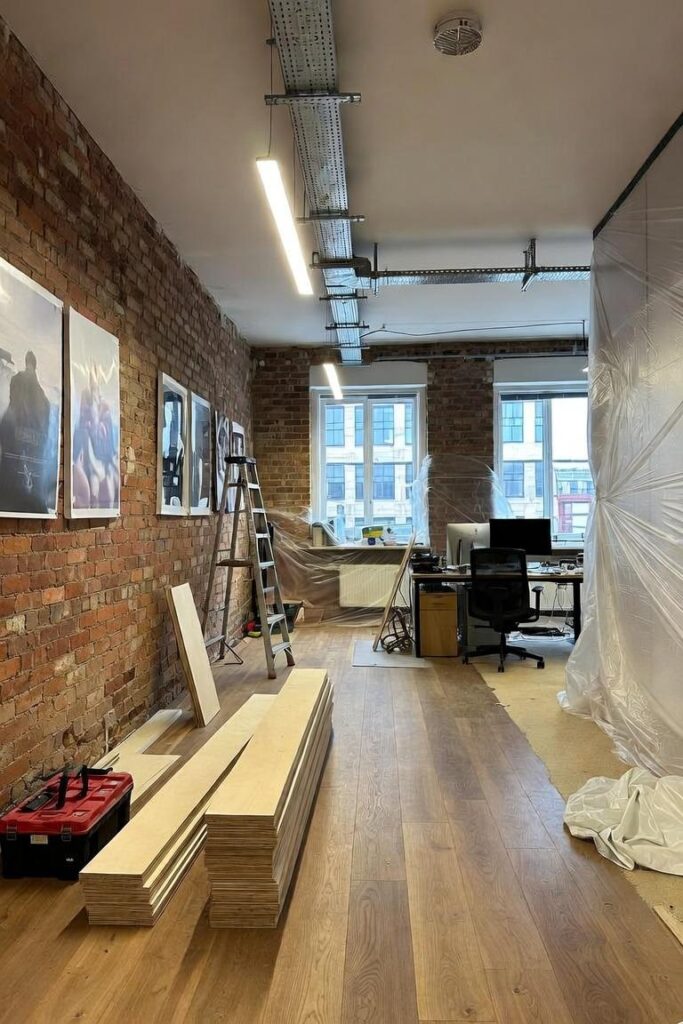
Office refurbishment costs are influenced by many factors.
Potential hidden costs can include:
Setting a realistic budget and contingency allowance can help avoid unpleasant surprises.
Remember, an office refurbishment is often a major investment and one of the most significant investments a business will make in its workplace.
Strong project management often determines whether a refurbishment succeeds or struggles.
Experienced project managers coordinate:
This oversight helps ensure project outcomes align with the original vision and business objectives.
A complete office renovation project should encompass office space planning, office design, office furnishings, technology upgrades, building services enhancements, compliance needs, sustainability initiatives and staff welfare aspects.
Every renovation project is different. We can complete smaller projects within a few weeks, while larger office fit-out and renovation programmes can take several months depending on their complexity and scale.
Careful planning, staggered construction, swing space arrangements and professional project management all help reduce interruption and keep the business running smoothly.
Yes. Better design, enhanced natural light, upgraded technology, ergonomic furniture and collaboration areas can all help to increase employee productivity and employee satisfaction.
Sure. Upgrading lighting systems, replacing inefficient equipment, installing energy management systems and boosting insulation can make a big difference to energy efficiency and save businesses money.
A good office makeover is not only about making a nicer office.
It’s about designing a space that empowers your people, expresses your corporate identity, increases operational efficiency and supports your organisation in achieving its long-term objectives.
Whether you are refurbishing an existing office, designing a new office or converting a brand new space, spending time to understand your business objectives and working with an experienced refurbishment partner can make all the difference.
At Redline Building Services, we have completed office refurbishment and office fit-out projects for clients around London, helping businesses build modern, productive and future-ready workplaces that provide lasting value.
The information in this article is intended for general guidance only and should not be considered legal, tax, health and safety, or building regulation advice. Requirements can vary depending on your premises and project scope. Always seek advice from appropriately qualified professionals before undertaking refurbishment works.