
Email us at info@redlinebuilding.co.uk or Call on 020 7183 1053
If you’re a London homeowner struggling for more space – whether you need an extra bedroom, a home office, a cinema room, or a gym – a basement conversion creates valuable additional living space beneath your existing home. Across Zones 1–4, where extending upwards or outwards is often restricted by planning rules, neighbours, or heritage constraints, converting or excavating beneath your home unlocks valuable space without the upheaval of moving.
Acting now matters. Build costs across London continue to rise through 2026, and London boroughs are tightening their basement policies year on year – boroughs like Westminster, Kensington & Chelsea, and Camden have already imposed strict limits on basement depth and garden coverage. Meanwhile, working-from-home trends show no sign of reversing, and families across the capital need rooms that existing layouts simply can’t provide.
We offer professional design-and-build basement conversion services across London, covering everything from straightforward existing cellar refurbishments to full under-house and under-garden excavations. Our basement conversion team manages feasibility, structural engineering, waterproofing, planning, party wall agreements, and interior fit out – so you have one point of contact from first survey to finished living space.
Call us today for a free consultation and outline cost estimate for your basement conversion in London.

Our basement conversion services manage the full journey of a basement project – from initial feasibility through to completed, furnished living space. Whether you need a single room carved out of an existing basement or a full multi-room excavation with bespoke interior design, we handle every stage.
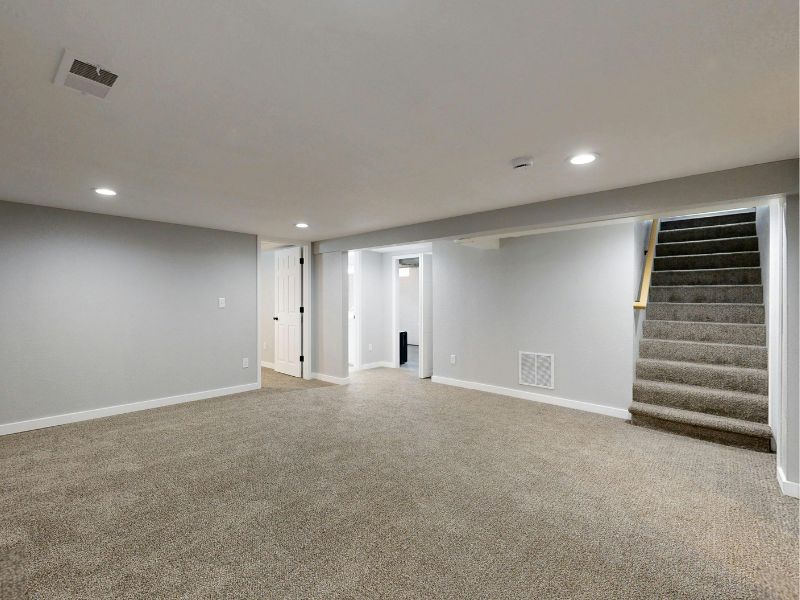
Many London properties sit above damp, under-used cellars that could become dry, comfortable, habitable space - utility rooms, playrooms, home offices, or guest annexe accommodation. Existing cellar refurbishment converts under-used basement space into practical, habitable rooms through structural waterproofing, insulation, upgraded electrics and heating, and improved head height where feasible. Underpinning can increase headroom in existing basements where additional depth is required. This option is usually faster and more cost-effective than full basement excavation, making it a practical starting point for homeowners looking to make the most of existing space.
Where there's no existing cellar, under-house basement excavation creates completely new living space beneath the existing footprint of your London home. This involves underpinning your existing foundations, carefully sequenced excavation, construction of a new floor slab and retaining walls, and a full concrete structure designed by a structural engineer. A full basement excavation provides maximum additional floor area - and common uses include extra bedrooms with en-suites, cinema rooms, gyms, studio spaces, or a dedicated guest suite. This approach is especially common in high-value postcodes where extending outwards is restricted or impossible.
An under-garden basement extends usable living space beneath your rear garden or patio, creating large, open-plan areas that can connect directly to the garden above through glazed doors or steps. Integration with natural light - via rear lightwells and glass panels - ensures the space feels generous rather than enclosed. Many London boroughs have specific policies on under-garden basements, so early planning advice is essential.
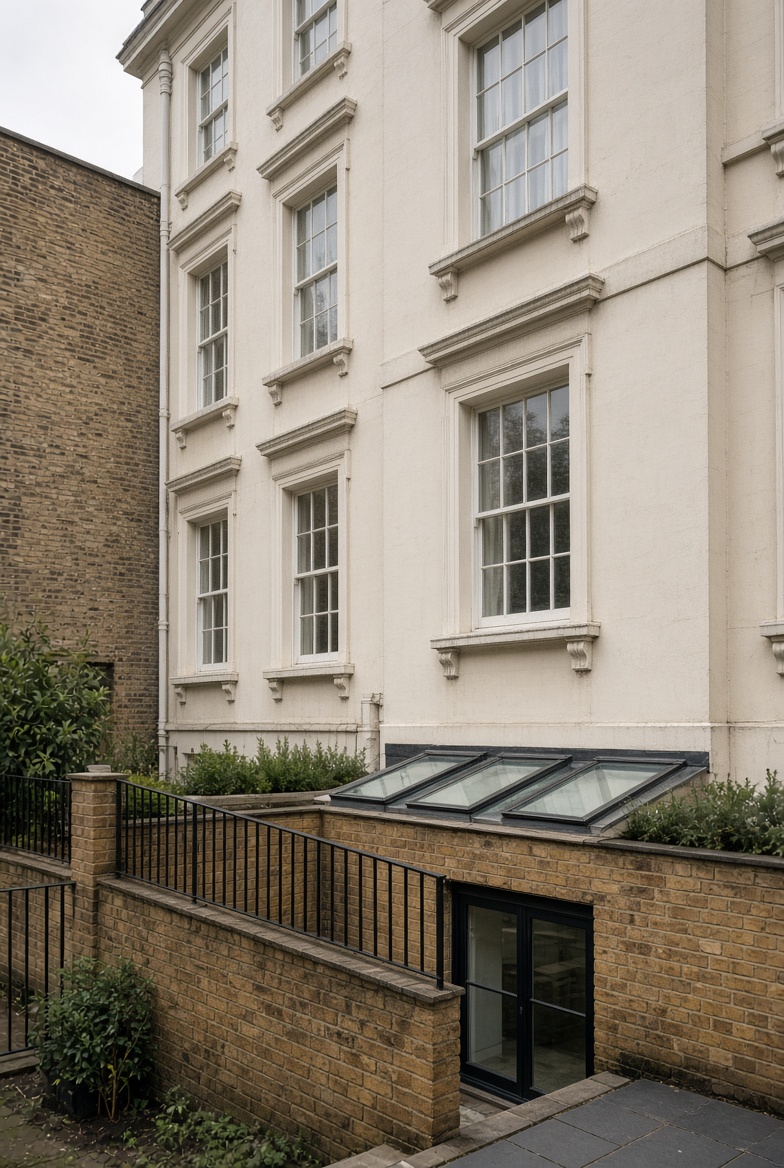
Lightwells bring natural daylight and ventilation into basement spaces and are one of the most critical elements of any London basement design. Front and rear lightwells, walk-on rooflights, and pavement lights bring air and light into rooms that would otherwise depend entirely on artificial lighting. We design these features to comply with safety, drainage, and waterproofing standards while preserving - or enhancing - your London street character and kerb appeal.
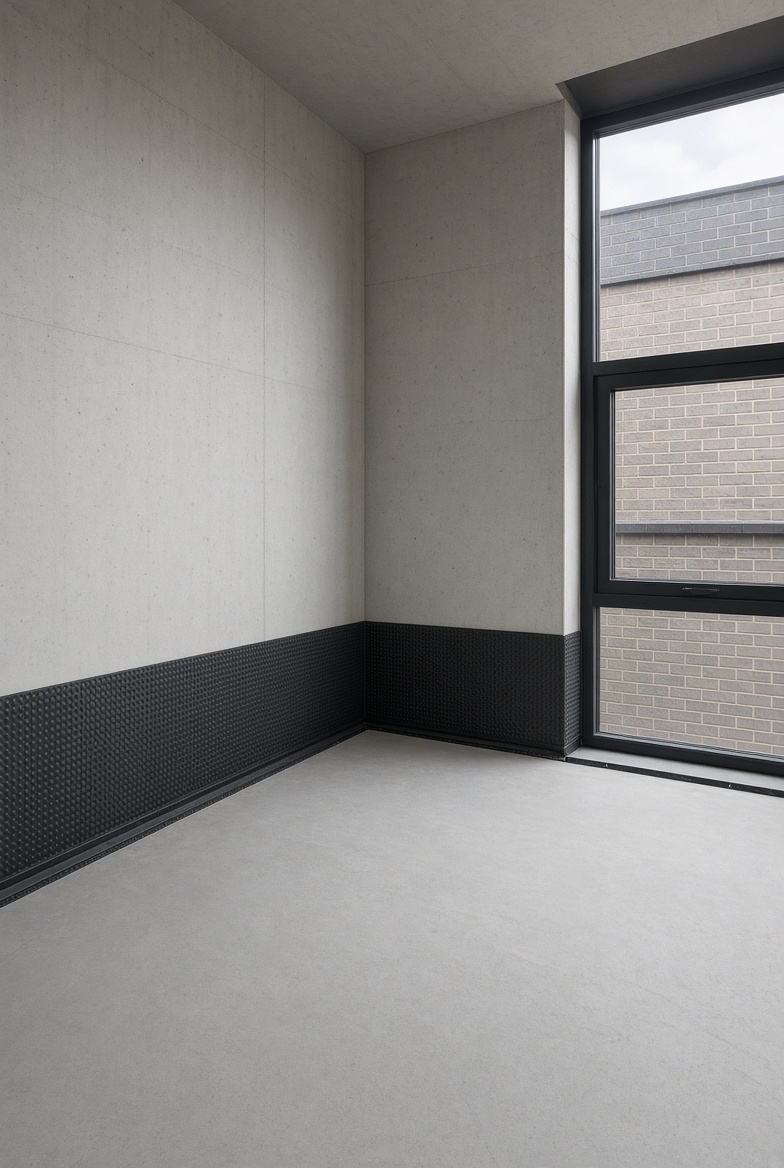
Basement waterproofing protects habitable below-ground spaces from water ingress and damp. Robust waterproofing is essential for London basements due to high water tables and clay soils - groundwater flooding is a significant risk for basements in London. We design and install cavity drain membrane systems, sump pump installations with battery back-up, drainage channels, and mechanical ventilation to keep your basement space permanently dry. Waterproofing systems must meet relevant standards, and we design every system for long-term maintainability - ensuring pumps and drainage are accessible for servicing throughout the life of the building.
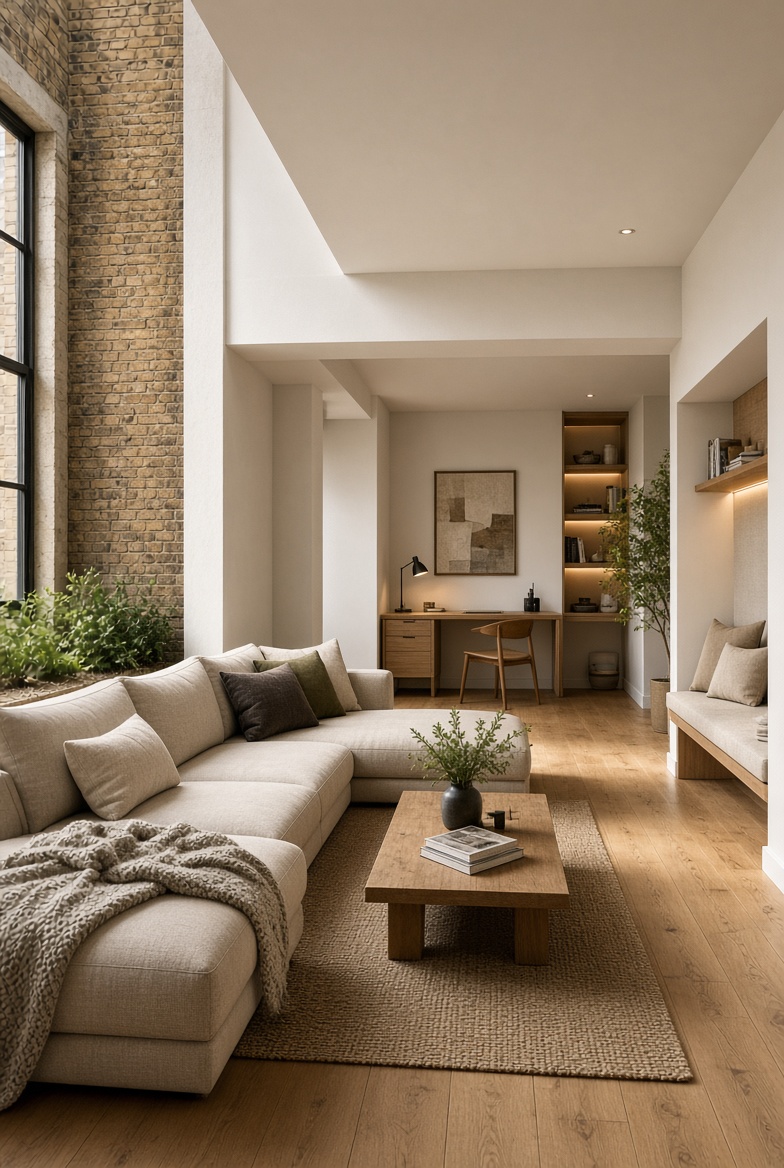
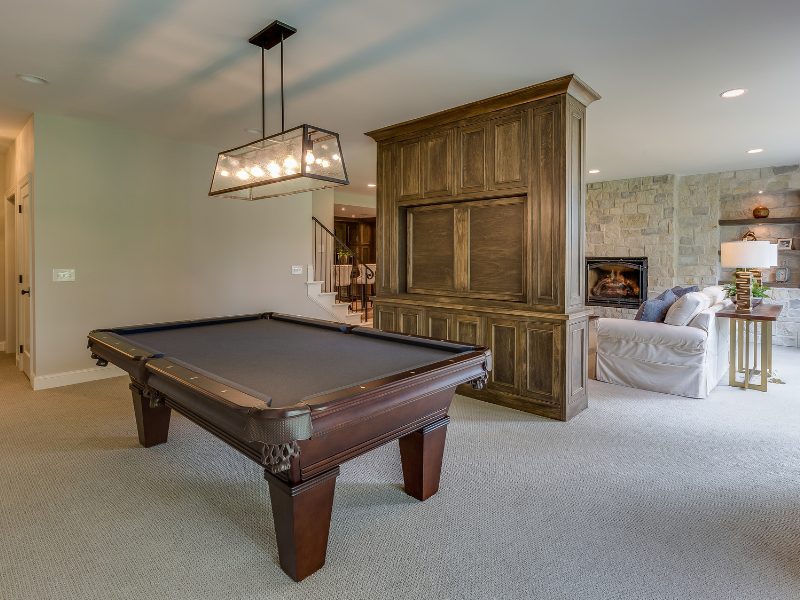
The interior fit-out transforms a waterproofed basement shell into finished living space. We handle flooring, lighting design, bespoke joinery, bathrooms, AV systems for cinema rooms, gym fit-outs, and guest suites. Our interior finishes are designed to tie the basement seamlessly into the rest of your London property rather than feeling like an afterthought. Popular configurations include wine cellar installations, spa-style bathrooms, utility and laundry rooms tucked away on the basement level, and dedicated home offices - rooms that free up your light-filled upper floors for everyday living.
Ready to explore what’s possible beneath your London home? Get in touch to book a free site survey.
During the visit, our site survey assesses your existing structure, access, ground conditions, and local planning context before we provide a high-level budget range tailored to your specific basement project. There’s no obligation, and the consultation is equally useful whether you have an existing cellar you want to transform or you’re considering a completely new basement excavation beneath your property.
Call us at – 020 7183 1053, email – info@redlinebuilding.co.uk, or complete our online enquiry form to get started.
Basement construction beneath occupied London properties demands proven expertise in structural safety, waterproofing design, and navigating the planning rules that vary from borough to borough. London homeowners trust us because we combine all three – and because we’ve delivered successful basement conversions in London across a wide range of property types and ground conditions.
The basement conversion process coordinates multiple specialist stages, each requiring careful management – especially when working beneath occupied homes on tight London streets. Here’s what to expect from first enquiry through to handover of your completed London basement.
01
We start with a thorough site visit to review your existing structure, access arrangements, neighbouring properties, drainage, and the relevant local planning policies. The feasibility assessment determines whether the property and proposed design are suitable for a basement conversion before detailed project design begins. We check whether your house is in a conservation area, whether a borough basement policy applies, and whether any Article 4 directions remove permitted development rights. Establishing existing foundation depths is also important before proceeding with a basement design. At this stage, we'll discuss a rough budget range and likely timescales so you can make an informed decision before committing to surveys and design work.
02
Once you decide to proceed, we commission the detailed surveys that underpin every sound basement design: measured building survey, CCTV drain survey, soil investigation, and sometimes tree surveys for garden basement extensions. Architects and structural engineers develop basement layouts and structural schemes around the property and ground conditions. Where planning permission is required, we prepare applications including Design & Access Statements and Basement Impact Assessments. A Basement Impact Assessment evaluates structural stability and flood risks for basement projects. Structural calculations and underpinning design are often essential for basement projects at this stage.
03
The Party Wall Act governs relevant excavation and structural works near neighbouring properties, and many London basement conversions in terraced or semi-detached homes require party wall agreements. Where applicable, notices must be served and the appropriate Party Wall process completed before relevant work begins. We coordinate the appointment of surveyors, notification of neighbours, and recording of schedules of condition for adjoining properties. Separately, Building Regulations govern the structural, safety and technical requirements of basement construction. Building Regulations drawings and structural calculations are submitted to Building Control or the relevant building control body before construction progresses.
04
Construction begins with sequential underpinning - underpinning supports the existing foundations while excavation creates the new basement space beneath them. Temporary works, new slabs, and retaining walls follow. Throughout this phase, vibration, noise, and dust are actively managed. On tight London streets, we plan spoil removal, deliveries, and plant access meticulously. Health and safety monitoring, structural checks, and regular neighbour communication continue throughout.
05
With the structural shell complete, we install the waterproofing system. Cavity drain membranes manage water ingress by directing water towards drainage channels and sump pumps, rather than relying solely on exclusion. Tanking systems create a physical barrier against water ingress and may be used where ground conditions demand it. First-fix services follow: plumbing, electrics, heating, and MVHR or mechanical ventilation. Then second-fix joinery, bathrooms, lighting, and final interior finishes transform the basement shell into comfortable, habitable living space. Final inspections and Building Control sign-off complete the process, and we hand over all warranties, certificates, and maintenance instructions.
03
The Party Wall Act governs relevant excavation and structural works near neighbouring properties, and many London basement conversions in terraced or semi-detached homes require party wall agreements. Where applicable, notices must be served and the appropriate Party Wall process completed before relevant work begins. We coordinate the appointment of surveyors, notification of neighbours, and recording of schedules of condition for adjoining properties. Separately, Building Regulations govern the structural, safety and technical requirements of basement construction. Building Regulations drawings and structural calculations are submitted to Building Control or the relevant building control body before construction progresses.
A well-executed basement conversion creates more space to live, work, and enjoy without moving home. It can transform your property’s layout, potentially support property value, and deliver a level of comfort and privacy that above-ground extensions rarely match. And when the structural work, waterproofing, and neighbour coordination are handled properly, the disruption to your daily life and your neighbours stays manageable.
Basement conversion cost in London depends on the type of conversion, property size, ground conditions, excavation requirements and level of specification. Every site is different, so we recommend arranging a consultation for an estimate based on your property and project requirements.
In London’s high-value but heavily regulated housing market, the question of return on investment is central to any basement conversion project. The answer depends on your postcode, the quality of the build, and whether you’re driven by financial gain, lifestyle improvement, or both.
A well-designed basement conversion creates additional living space and can potentially increase the value and usability of a London property, particularly in areas where additional floor space is highly desirable. When considering the financial return, compare your total project costs, including professional fees and contingency, with local property values and the potential value of the additional finished living space.
Basements make most financial sense in areas where adding above-ground extensions is not possible – and where buyers expect modern amenities like home offices, extra bathrooms, and flexible entertaining space. A well-designed new space can make a property more attractive to prospective buyers by providing additional usable accommodation.
Converting a basement in London requires navigating local borough regulations – and the rules differ between boroughs. Planning requirements determine what type of basement development can be carried out on a particular property, so early professional advice is essential.
Excavating beyond an existing cellar, adding lightwells, or altering the front or rear elevation of your property may require planning permission from the relevant borough. Simple conversions of existing cellars with no significant external changes may fall under permitted development – but still need Building Regulations approval. Front lightwells, railings, and pavement lights can also trigger specific design requirements in London streetscapes. Conservation areas and listed buildings can introduce additional planning and heritage requirements.
Many London boroughs have specific policies governing basement depth, excavation and under-garden development. Kensington & Chelsea, Westminster, Camden, and Hammersmith & Fulham are among the boroughs with detailed basement planning policies.
Conservation areas and listed buildings add further constraints: heritage impact, materials, and external appearance can all be scrutinised. We strongly encourage early professional planning input for projects in sensitive locations – it can save time and reduce the risk of planning complications.
London basement conversions are structurally complex. Every project must manage ground movement, the stability of neighbouring properties, and groundwater beneath existing buildings. Structural engineering protects the stability of the property, while waterproofing protects the basement from water ingress – making both critical elements of a successful basement conversion.
Underpinning supports existing foundations while allowing excavation to create additional headroom or new basement space. It’s needed whenever you’re deepening a cellar or creating a new basement beneath a house. Works are typically carried out in sequential bays – small sections at a time – to avoid destabilising your property or attached neighbouring buildings.
London clay’s shrink-swell behaviour makes structural design more complex, and proximity to Underground tunnels, old sewers, or public infrastructure can impose additional constraints. A qualified structural engineer designs the temporary and permanent structural elements of the basement, from support during excavation to retaining walls, the floor slab and final concrete structure.
Basement waterproofing systems manage and protect against water ingress in below-ground spaces. A Type C cavity drain membrane system manages water by channelling ingress via perimeter drainage channels towards a sump pump, which discharges it safely. Tanking systems create a physical barrier against water ingress and can be combined with other waterproofing approaches where appropriate.
Regular maintenance is essential, and we design systems so pumps, channels and membranes remain accessible for servicing throughout the life of your basement.
We have completed a wide range of house extensions across London. Each project is tailored to the property style and the homeowner’s specific requirements.
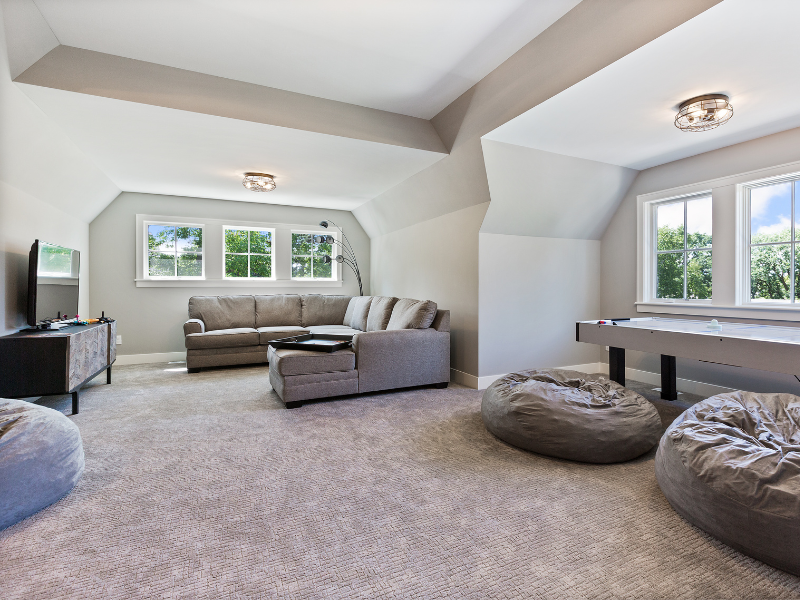
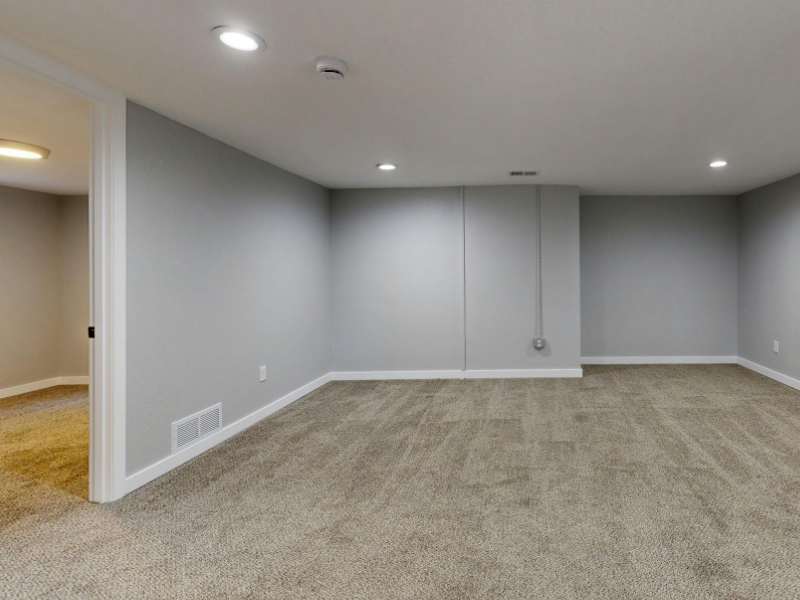
We offer a wide range of additional services across London, from expert kitchen renovation and bespoke design and build solutions to high-quality loft conversions, all tailored to meet your unique needs.
Stop losing valuable space beneath your London home. Whether you’re looking to convert an existing basement, dig beneath your property for a completely new space, or add natural light and luxury to a tired cellar, a professionally managed basement conversion creates additional living space without requiring you to move home.
Get in touch today to arrange your free consultation and receive a detailed budget estimate for your London basement project. We’re ready to help you unlock the full potential of your property.
Call – 020 7183 1053 · Email – Info@redlinebuilding.co.uk
Basement conversion cost depends on the existing property, type of conversion and scope of construction work. Existing cellar refurbishments generally cost less than full under-house excavations involving underpinning, structural works and waterproofing, while luxury specifications can increase the overall budget further. Every site is different – we recommend booking a free site survey so we can provide a tailored quote based on your property’s specific conditions and project requirements.
Basement conversion timescales depend on the scope, structural requirements and approvals involved. Existing cellar refurbishments without major structural work can generally be completed more quickly than full under-house or under-garden excavations. Design, surveys, planning permission and party wall agreements can also add time before work begins. We’ll give you a realistic programme at the feasibility stage.
Many London homeowners can stay in the property during certain phases of the work, particularly during fit out. However, during heavy structural work – excavation and underpinning – noise, dust, and safety considerations may make it more comfortable to move out temporarily. We plan phased working wherever possible to minimise disruption, and we’ll discuss the options during your initial consultation.
Planning requirements depend on the property, location and proposed basement works. Excavating a new basement, adding lightwells or altering the property’s external appearance can require planning permission. Simple internal refurbishments of an existing cellar with no external changes may fall under permitted development, but Building Regulations requirements can still apply. Rules differ between London boroughs, so we recommend checking with your local planning authority or engaging professional planning support before committing to design.
Yes – properly designed basement conversions must comply with applicable Building Regulations and relevant technical standards. Structural designs should be prepared by qualified professionals and inspected through the appropriate building control process. Basement construction can involve requirements covering structure, fire safety, ventilation, drainage and energy efficiency.
Basement construction inevitably involves some noise, dust, and vehicle movements – especially on narrow London streets. Good basement project management reduces neighbour disruption through communication, site planning and appropriate working practices. We serve relevant party wall notices early, record schedules of condition where required, and maintain regular updates throughout the build. Our aim is to be the basement conversion company your neighbours can live with.
