
Finding the right builder can make the difference between a successful construction project and months of delays, unexpected costs and frustration. Whether you’re planning a bathroom renovation, loft conversion, extension or complete property refurbishment, choosing a reliable builder should involve more than simply comparing prices.
London properties can present unique challenges, from restricted site access and neighbouring properties to conservation areas and individual borough requirements. A good London builder should therefore combine strong construction experience with an understanding of the practical challenges involved in delivering residential projects across the capital.
At Redline Building, our experienced team provides home renovation services across London, managing projects from the initial planning stages through to completed work.
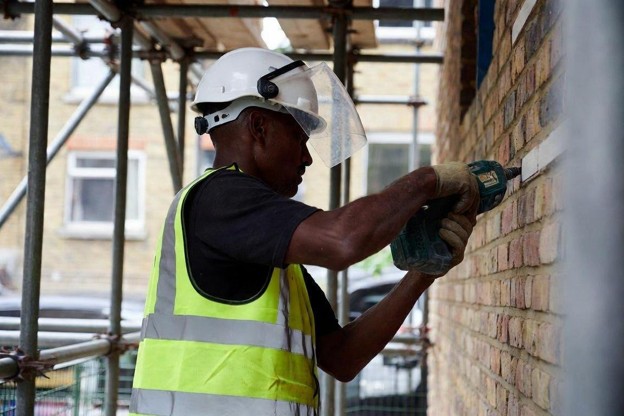
Before hiring a builder, ask whether they have experience with projects similar to yours. A company may have an excellent reputation for smaller building works but might not have the experience or resources required for complex renovation projects.
If you’re planning a loft conversion, for example, look for completed projects involving comparable structural changes. The same principle applies to a bathroom renovation, extension or whole-house refurbishment. Relevant experience gives you a better indication of the builder’s knowledge and ability to anticipate challenges before work begins.
Reviewing previous work can tell you a great deal about workmanship too. Advice on finding a builder from Homebuilding & Renovating similarly recommends speaking to previous customers and examining examples of completed projects rather than relying solely on online reviews.
Two or three references from previous clients can provide valuable insight into what a builder is actually like to work with. Ask previous customers whether the building project remained close to budget, whether agreed start and completion dates were respected and how effectively problems were handled.
It’s also worth asking about communication. Did the builder or project manager provide regular updates? Were changes discussed before additional building works were completed? Was the site manager accessible when questions arose?
Independent reviews and personal recommendations can be particularly useful because they provide another perspective alongside testimonials displayed by the building company itself.
Getting at least three quotes from builders gives you a much stronger basis for comparison. However, comparing quotes should never mean automatically selecting the lowest figure.
Each builder should receive as much detail about the proposed project as possible so their pricing is based on the same scope. A detailed written quote should explain what building works are included, materials, labour, waste disposal and other significant costs.
If one fixed price is significantly lower than every other quote, treat it as a potential warning sign rather than an automatic bargain. Important elements may have been excluded, creating hidden costs later in the construction project. Houzz’s guidance on hiring the right builder similarly recommends defining the scope of works before comparing builders and being cautious about unusually low pricing.
Before committing to a builder in London, establish exactly who you’re dealing with. Ask for the full company name, company details and company registration information where applicable. You can then verify a limited company’s registration through Companies House.
A professional builder should be comfortable providing clear information about the business. Knowing who the company owner is, how long the business has operated and whether it regularly manages projects of a similar contract value can all help you make a more informed decision.
Be cautious of anyone who is unwilling to provide basic business details, references or examples of previous work.
There isn’t one single qualification that makes someone a good builder. Different elements of a construction project require different skills, appropriate training and, in some cases, specialist registration.
Depending on the builder’s work, members of the team may hold National Vocational Qualifications (NVQs), CSCS cards or trade-specific qualifications. Electrical work and gas work should be completed by appropriately qualified and registered professionals where required.
Ask who will actually be carrying out each part of the project. An established building company may have specialist trades in house or coordinate trusted subcontractors through a dedicated project manager or site manager.
Insurance should be checked before building works begin. Ask to see current insurance certificates rather than simply taking verbal confirmation that cover exists.
A reputable building company should hold appropriate public liability insurance for its operations. Employers’ liability insurance may also be required where the company employs staff.
The appropriate insurance helps protect everyone involved if something goes wrong during construction. Depending on the nature of the project, you may also want to discuss warranties, an insurance-backed guarantee or guarantees covering particular elements of the completed work.
Membership in a recognised trade association can provide another useful indicator when assessing reputable builders. Organisations such as the Federation of Master Builders have membership requirements and codes of practice, although membership should still be considered alongside references, completed projects, insurance and your own checks.
Trade association membership alone should never replace proper research. The right builder should be able to demonstrate their professionalism through a combination of experience, transparent communication, appropriate insurance and consistent previous work.
Hiring a builder in London means working within requirements that can differ considerably depending on the property and local area. Planning permission, building regulations and building control should therefore be discussed before construction starts.
Most residential projects need to comply with relevant building regulations even where planning permission is not necessary. Conservation areas and listed buildings can introduce additional restrictions, while more substantial structural changes may require further approvals.
Redline Building’s design and build service brings design and construction together, including architectural drawings, structural calculations, planning applications and building control considerations where required.
Party wall considerations are particularly important in London because of the number of terraced and semi-detached properties positioned close together.
Certain works involving shared walls, buildings close to boundaries or excavating near a neighbour’s foundations can fall within the Party Wall etc. Act 1996. Depending on the project, a party wall agreement and formal notices may therefore need to be addressed before work begins.
A builder with up-to-date knowledge of London renovation projects should be able to identify when party wall matters need to be considered, although specialist advice may still be required.
A written contract is essential for substantial building projects. It should establish exactly what has been agreed before work begins and reduce the potential for disputes later.
Your building contract should clearly document the scope of works, contract value, start and completion dates, payment terms, responsibilities and the process for dealing with variations. The more detail agreed at the beginning, the less room there is for misunderstandings during construction.
A builder who resists putting significant agreements in writing should be treated with caution.
Discuss the payment schedule before signing the contract. Reputable builders commonly structure payments around agreed stages or project milestones rather than requiring the entire cost upfront.
If you’re wondering how much deposit is reasonable, consider the amount in relation to the total contract value and what the builder needs to secure before starting. Requests for unusually large upfront payments should prompt further questions, particularly if they are not supported by a clear contract or explanation.
Staged payments provide greater transparency because payments can correspond with progress throughout the construction project.
Project managing a renovation involves far more than organising when individual trades arrive. Materials, building control inspections, subcontractors, deliveries, design decisions and changes to the programme all need to be coordinated.
Ask whether your project will have a dedicated project manager or site manager and who your main point of contact will be. For complex residential projects, effective site management can have a significant influence on quality, costs and final completion.
Clear communication also matters when unforeseen issues arise. London renovation projects, particularly within older properties, can reveal hidden structural or services-related problems once construction begins. A professional team should explain the issue, discuss the available solutions and agree on additional costs before proceeding wherever possible.
Knowing how to avoid cowboy builders is just as important as knowing what to look for in a professional builder.
Be cautious if someone arrives at your property uninvited offering building services, demands a substantial cash payment immediately or pressures you into making a quick decision. A lack of insurance certificates, reluctance to provide references and refusal to use a written contract are also warning signs.
Another potential concern is a quote dramatically below the others you’ve received without a clear explanation. A lower price does not automatically mean poor workmanship, but it should encourage you to examine the scope carefully to establish whether anything significant has been omitted.
Before selecting your preferred builder, make sure you understand who will complete the work, how the project will be managed and exactly what is included within the quoted price.
Ask about previous projects of a similar scale, qualifications, insurance, subcontractors, likely start and completion dates, payment terms and how variations will be handled. You should also establish how frequently you’ll receive updates and who you should contact with questions during the project.
A good builder should be willing to discuss these areas openly. Asking detailed questions isn’t a sign that you don’t trust the company; it’s part of establishing a professional relationship before making a significant investment.
Finding a builder in London requires more than searching for the cheapest quote. The right builder should demonstrate relevant experience, quality completed work, appropriate insurance, transparent pricing and a clear understanding of the challenges involved in London construction.
Get at least three quotes, speak with previous clients, review completed projects and make sure the scope, payment schedule and completion dates are documented before work begins. Taking additional time during the selection process can help reduce hidden costs and make the construction stage considerably smoother.
If you’re preparing for a renovation, extension, loft conversion or larger residential project, Redline Building Services provides experienced building services across Greater London, with projects ranging from residential refurbishments and conversions to ambitious architect-designed builds.